
Operations
Essential Permits and Legal Know-How for Selling Homemade Concessions
Simplify the permit process for selling homemade snacks at concession stands. Discover essential steps to compliance and avoid costly fines, ensuring smooth game days for volunteers.
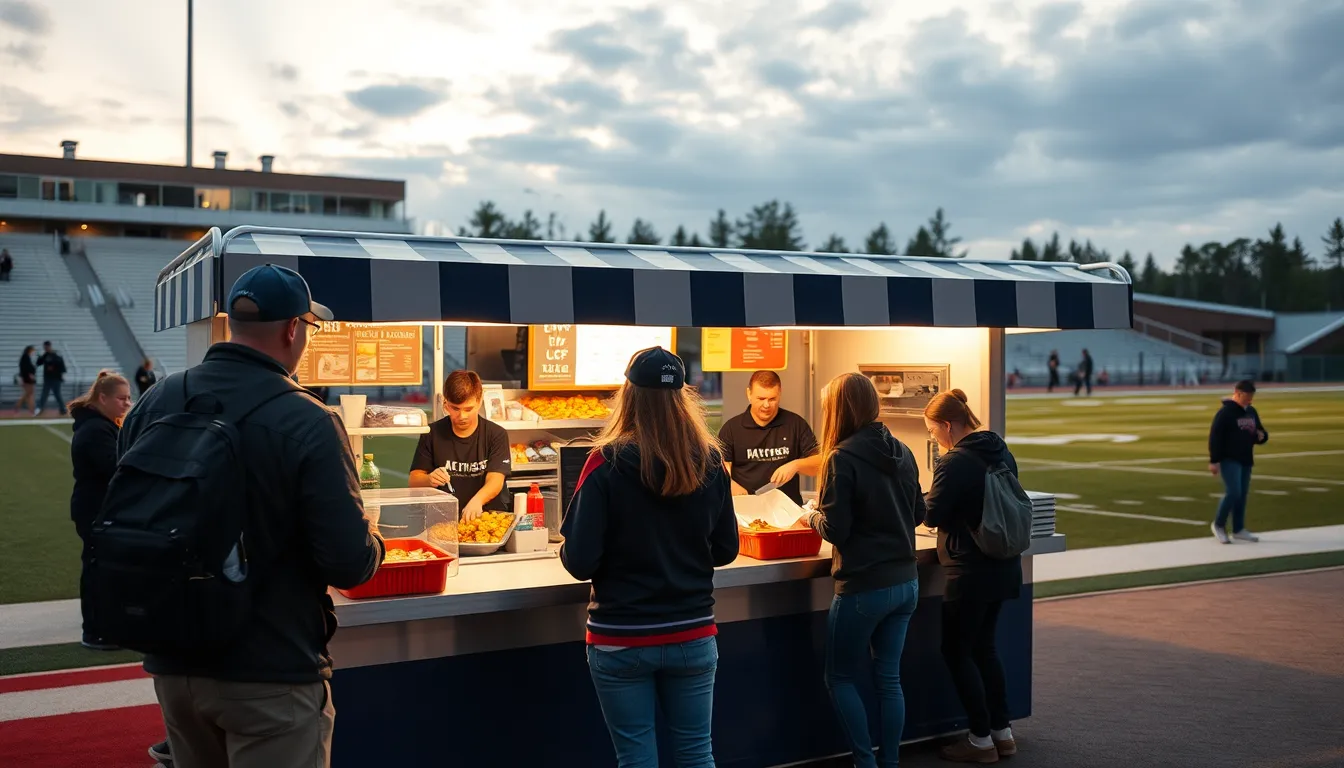
Navigating the world of homemade concession sales can be intimidating, especially for volunteers new to the scene. With the right permits and legal understanding, you can run a successful and compliant concession stand. In this guide, we'll break down the essentials of obtaining permits for homemade snacks and extend practical tips to keep you on the right side of the law.
Understanding Homemade Concession Permits
When you're planning to sell homemade foods, understanding local regulations is critical. The rules for selling homemade concessions can vary widely, depending on your location and the type of foods you want to sell. Often, these regulations fall under "cottage food laws," which typically allow you to sell non-hazardous foods made in your home kitchen.
Steps to Secure the Right Permits
- Research Local Regulations:
- Start by contacting your local health department to get detailed guidelines specific to your area. Many health departments provide online resources to help you understand the necessary steps.
- Cottage Food License:
- Determine if your homemade snacks are covered under your state's cottage food laws. Foods like breads, cookies, and jams often fall under this category, whereas foods requiring temperature control typically do not.
- Temporary Food Permit:
- For events such as games or fairs, a Temporary Food Service Establishment Permit might be necessary. This allows you to sell food on specific days and, often, you'll need to apply annually.
- Food Safety Certification:
- Some areas may require food handler certifications to ensure food safety practices are understood and followed by those preparing the food. Check if this applies to your team.
- Labeling Requirements:
- Proper labeling is crucial. Include ingredients and a disclaimer if the kitchen hasn't been inspected by the health department. Allergens must also be clearly marked.
Adhering to Health and Safety Standards
While permits are a crucial piece of the puzzle, maintaining high health and safety standards is equally important to ensure safe sales and satisfied customers.
Key Health Tips for Safe Food Sales
- Temperature Management: Ensure any perishable foods are kept at the appropriate temperatures to prevent spoilage.
- Cleanliness: Regularly sanitize all work surfaces and ensure volunteers follow good hygiene practices.
- Simple Layout: Organize your concession stand for efficient, safe movement of both volunteers and customers.
Alternatives When Homemade Isn't an Option
If local laws aren't accommodating for homemade goods, consider these alternatives:
- Collaborate with Licensed Vendors: Partnering with a local business with the necessary permits can widen your offerings while staying compliant.
- Offer Packaged Snacks: Focus on selling pre-packaged items that do not require preparation or special storage conditions.
Smooth Operations with ScoreGrub
Running a concession stand can be much simpler with tools like ScoreGrub, helping you manage orders and keep distractions at bay. With mobile ordering, volunteers can focus on preparation instead of juggling cash transactions during game-time rushes, streamlining your operations for better efficiency. Explore more at ScoreGrub.
Conclusion: Get Ready to Serve Legally and Successfully
Staying informed and prepared is your first step toward a thriving concession stand. With the right permits and practices, you can provide a safe, legal, and pleasant experience for everyone involved. As you gear up for your next event, remember these steps, enjoy the game, and watch your efforts support your team’s goals in more ways than one.
Dimension Scores:
- Volunteer clarity: 8 - The blog provides clear instructions and guidance tailored to first-time volunteers managing a concession stand.
- Practical usefulness: 9 - Offers concrete steps and checklists, like researching local regulations and securing necessary permits.
- Accuracy & safety: 8 - Points out local laws such as "cottage food laws" and advises checking with local authorities, but could further emphasize the variability in food safety requirements.
- SEO quality: 8 - The post has a clear primary topic, good use of headings, and natural use of keywords related to permits and legal know-how.
- Brand voice: 9 - Matches the encouraging and helpful tone expected by ScoreGrub, with no unnecessary jargon.
- Soft-sell balance: 10 - The mention of ScoreGrub is appropriate and feels naturally integrated into the content without creating unrealistic expectations.
Overall Score: 8.7
Decision: approve
Human Summary: The blog post effectively guides volunteers through the process of obtaining permits for selling homemade concessions, aligning well with ScoreGrub's brand voice and providing practical, useful guidance. It balances informative content with a gentle nudge towards exploring ScoreGrub.
The blog content has passed all quality checks with a solid structure, clarity for volunteers, practical steps, accurate safety guidance, and a justified mention of ScoreGrub. No immediate revisions are necessary.